
Hydrogen Embrittlement
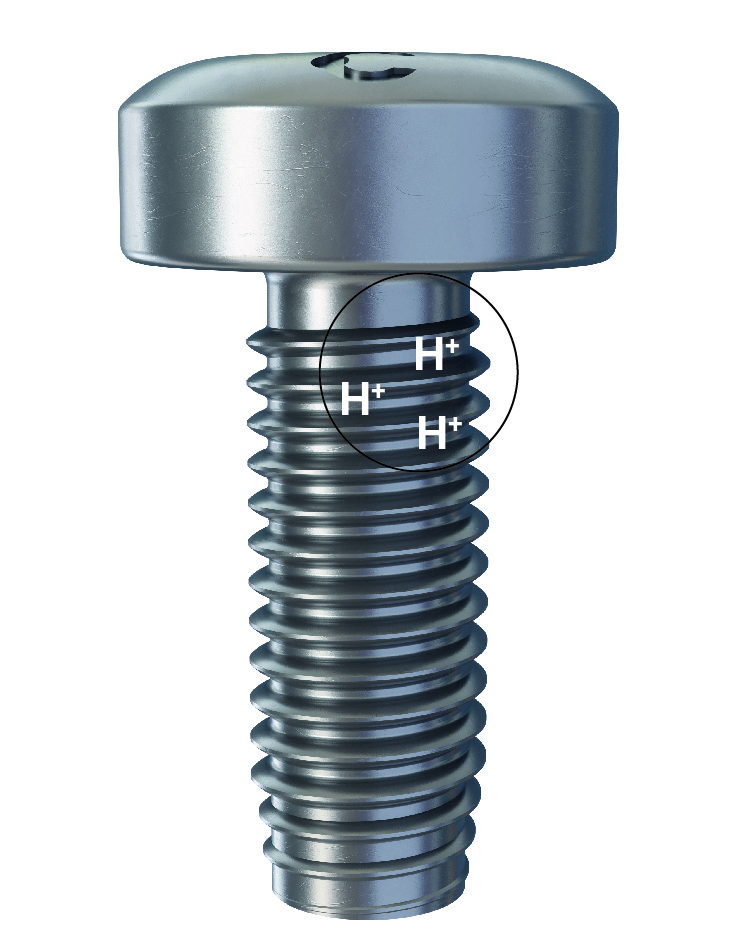
Unexpected failures of screws cause damage to the final product and high costs. There are many reasons that can cause a broken screw, and hydrogen embrittlement could be one of them.
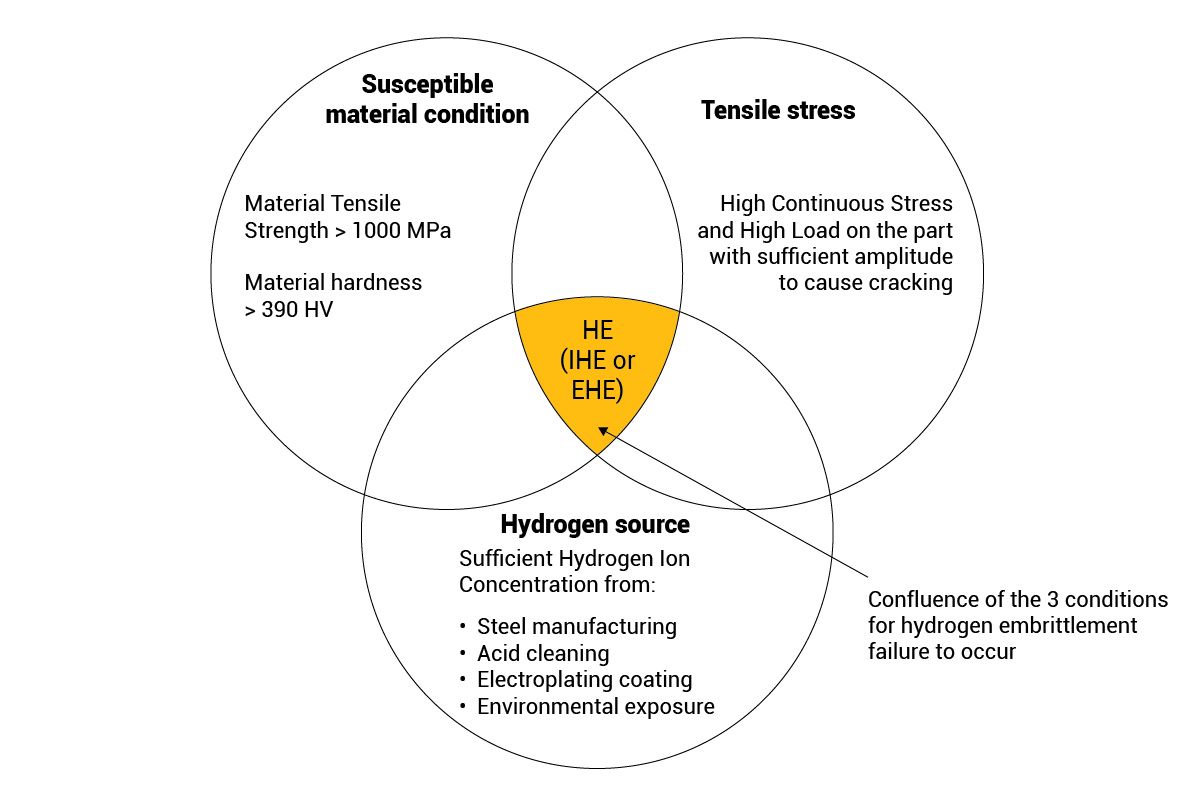
Hydrogen embrittlement (HE) is the permanent loss of ductility in a metal or alloy caused by the occlusion of hydrogen atoms in the structure. This, in combination with a load or tensile stress, can lead to brittle fracture after a certain period of time (delayed fracture).
The delayed failure can occur a few hours or a couple of days after installation, with no visible signs. It does not happen immediately after installation or months later.
Hydrogen embrittlement is classified into two main types based on the source of the hydrogen: internal hydrogen embrittlement (IHE) and environmental hydrogen embrittlement (EHE). Internal hydrogen embrittlement is caused by residual hydrogen absorbed during steelmaking and/or from processing steps such as acid cleaning and the electroplating process.
Environmental hydrogen embrittlement is caused by hydrogen introduced into the metal from external sources while it is under stress, such as in-service fasteners.
Menu
How does the hydrogen embrittlement process happen?
Hydrogen embrittlement typically occurs through a 3-step process:
1. Hydrogen absorption
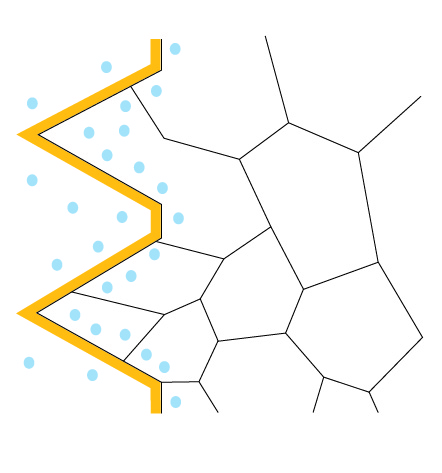
At room temperature, hydrogen atoms can be absorbed by carbon steel alloys during various processes, such as manufacturing process related to acid cleaning, electroplating or exposure to hydrogen-containing environments.
2. Diffusion
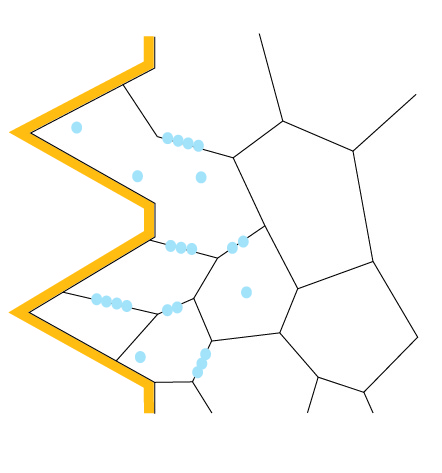
The absorbed hydrogen atoms are highly mobile and can diffuse to the areas of highest stress, such as grain boundaries, dislocations, inclusions,… The hydrogen forms voids at the metal grain boundaries. The result of the diffusion of hydrogen into the material is a loss of ductility, making it more brittle and more susceptible to cracking.
3. Embrittlement
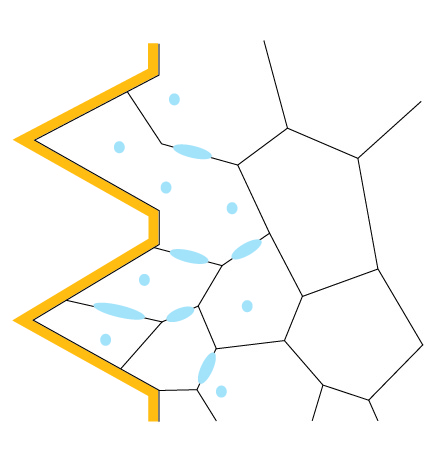
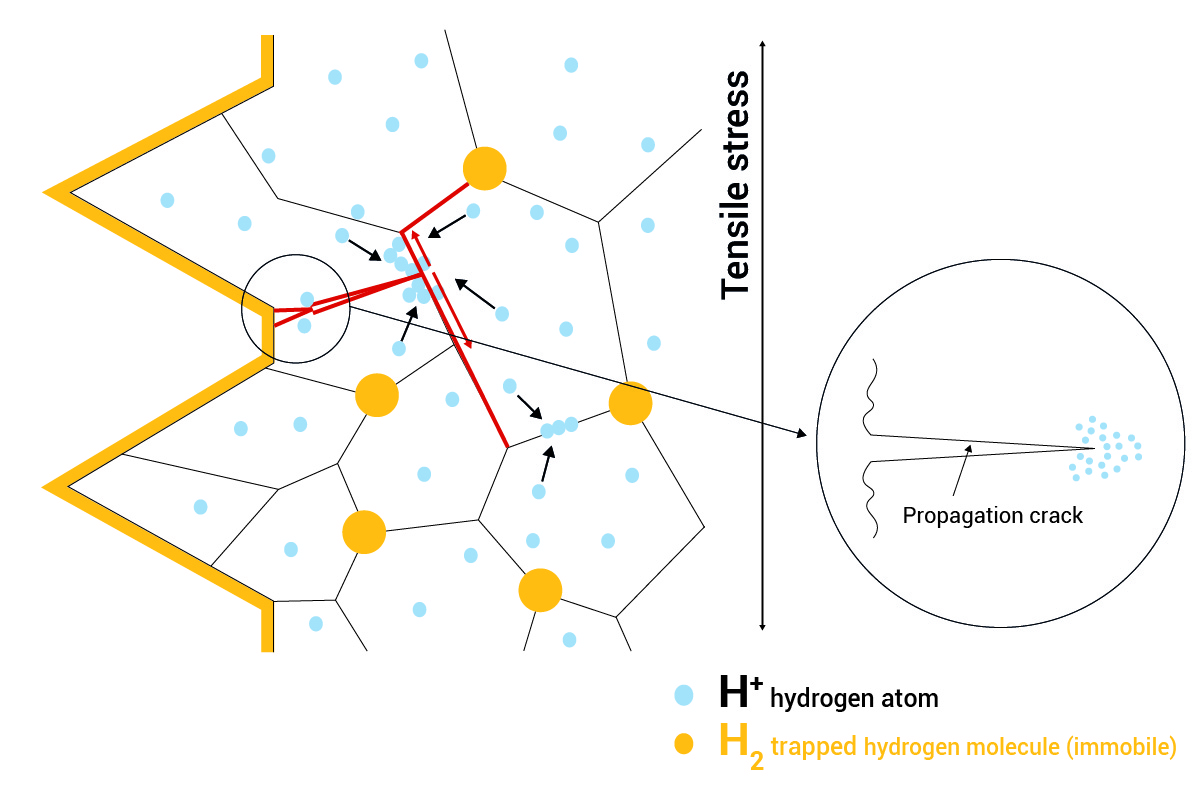
Given enough time, when the screw is exposed to high tensile stress, these voids exert additional pressure on the metal grains, forming initial cracks that grow along weakened grain boundaries until the screw finally breaks. This process is known as intergranular cracking.
How CELO can help to prevent hydrogen embrittlement in your assemblies
Hydrogen embrittlement failure happens unpredictably. Efforts to prevent it must be done during the design and manufacturing phase.
CELO's Application Engineers can help our customers to prevent hydrogen embrittlement failure in their assemblies by:
Recommending the material with less susceptibility to HE
Optimizing joint design to reduce tensile, shear and bending stresses
Selecting the most suitable coating for the screw that meets your corrosion requirements and reduces the risk of hydrogen embrittlement in your assemblies.
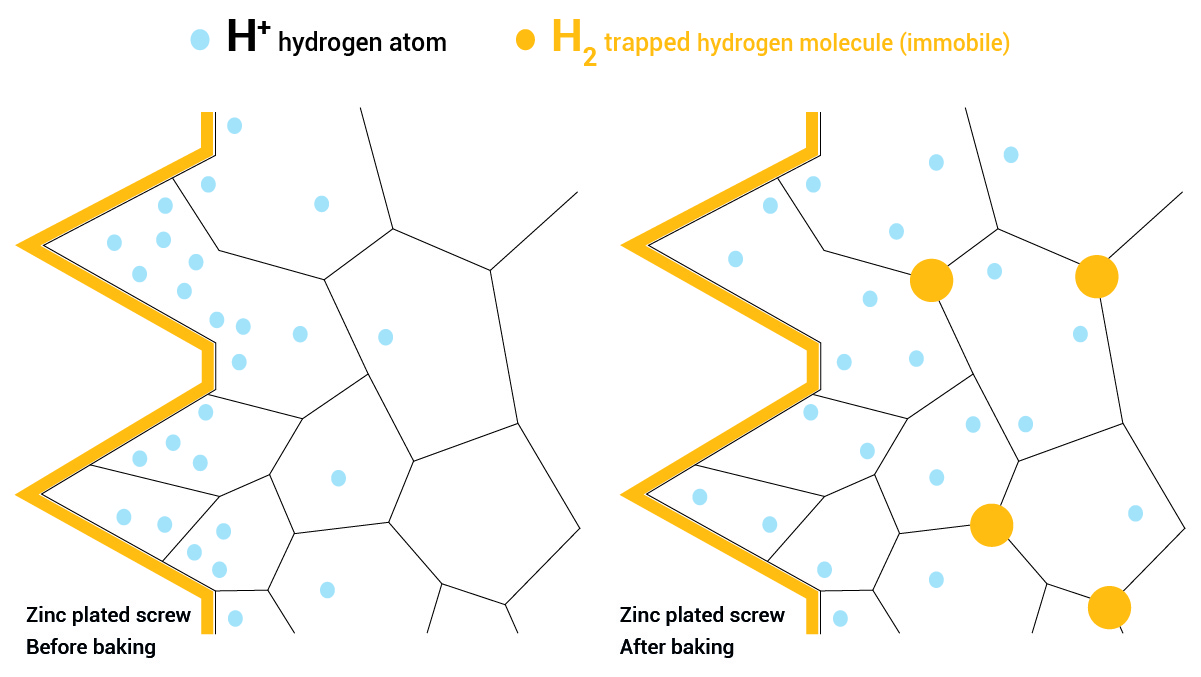
Many popular coatings like zinc plating (ASTMB633) create a barrier around the screw that does not allow hydrogen to easily diffuse out of the screw. More porous coatings will ensure greater hydrogen diffusion, minimizing embrittlement risks.
TEST for detection hydrogen embrittlement
International standard ISO 15330:1999 describes the procedure to detect the occurrence of hydrogen embrittlement of screws at room temperature. The purpose of this test is to introduce a level of stress that can accelerate the embrittlement process and reveal and susceptibility to hydrogen-induced cracking.
At CELO, we conduct this test in our laboratory. It should be ordered in advance and requested during the screw definition process.